
Tariffs in 2025: Who Are The Winners and Losers?
There has been much debate about the use of tariffs to regulate the import of foreign products. When used as intended, tariffs can create a strong incentive for domestic customers to buy from domestic manufacturers. But retaliatory measures are the more worrisome factor.

Will Drewery
Published: 1/29/2025
Over the last few months, there has been much debate about the use of tariffs to regulate the import of foreign products that would directly compete with domestically produced products.
When used as intended, tariffs can create a strong incentive for domestic customers to buy from domestic manufacturers. When given the choice between an expensive imported product and a relatively cheaper domestic product, most rational customers would opt for the latter.
In the real world, there are always a few factors that make this an imperfect tradeoff. Product quality, capacity, and other factors might make it less than ideal to work with domestic suppliers in the short term; but in the long term, these factors are usually resolved within the first few years.
Winners
Domestic Suppliers tend to be the biggest winners. With newfound demand from domestic customers that are now compelled to buy their products, they are likely to benefit from increased revenue and utilization.
Losers
Domestic Producers realize some benefits from localizing their supply chains (lower shipping costs, fewer disruption risks, etc.). However, tariffs often present new challenges (more expensive materials costs, supply shortages, etc.). This often results in increased cost of goods sold (COGS) that directly impacts net revenues and profit margins.
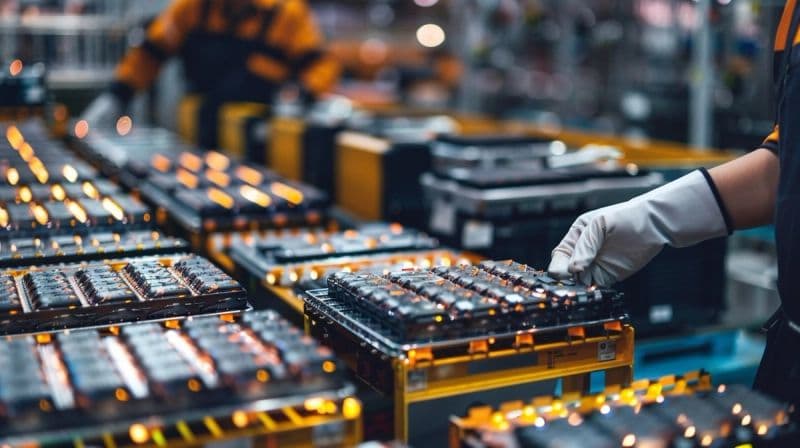
End Customers are often impacted the most by tariffs. Domestic producers often increase prices in an effort to maintain margins amidst increased COGS. For example, one can easily see how tariffs on batteries could lead to increased costs of end products like electric vehicles (EVs).
Have Tariffs Ever Actually Worked?
When well executed, tariffs can help to revitalize domestic industries. Examples of times when tariffs actually worked:
Japanese Tariffs in the Early 20th Century: Japan used tariffs strategically to protect its nascent industries while investing heavily in industrialization. This policy transformed Japan into an industrialized nation by the early 20th century.
South Korean Import Substitution Policies (1960s–1970s): Tariffs and import restrictions were part of South Korea’s broader industrial policy, which supported key sectors like steel, shipbuilding, and electronics. This contributed to South Korea’s rapid economic growth and its emergence as a major global exporter.
Retaliatory Measures — The More Worrisome
Predictably, the countries that have tariffs imposed on their exports don’t go quietly into the night. They tend to respond with austerity measures of their own. These measures typically fall into one of two categories: Retaliatory Tariffs and Export Bans.
Retaliatory Tariffs
Tariffs are considered to be retaliatory when a country imposes tariffs in response to the initial tariff, intended to hurt the economic interests of the rival country. To continue with the example of EV batteries, one could easily imagine the foreign government might impose a retaliatory tariff on EV imports.
China’s Retaliatory Tariffs During the Trade War (2018): The U.S. imposed tariffs on $50 billion worth of Chinese goods, targeting technology and industrial products. China responded with tariffs on an equivalent value of U.S. exports, including agricultural products like soybeans, pork, and wine. The retaliatory measures heavily impacted U.S. farmers and exporters.
Export Bans
In the most extreme cases, a country might decide to ban the export of critical products altogether. This is different than a retaliatory tariff because, in this case, the buyer is now prohibited from buying product, even if they are otherwise willing to pay the tariff.
China’s Export Restrictions on Cathode Processing Equipment (2025): China proposed export restrictions on cathode processing equipment, aimed at stopping the expatriation of technology needed to synthesize battery materials. China accounts for over 68% of lithium chemical production and over 99% of the world’s lithium iron phosphate (LFP) battery cathode materials. While the impacts are yet to be realized, this will have profound impacts on the ability for US producers to manufacture these products.

About the Author
Will Drewery
Founder & CEO @ Diagon | Manufacturing Equipment Sourcing